Brain Aneurysms: Treatment Options Beyond Open Surgery
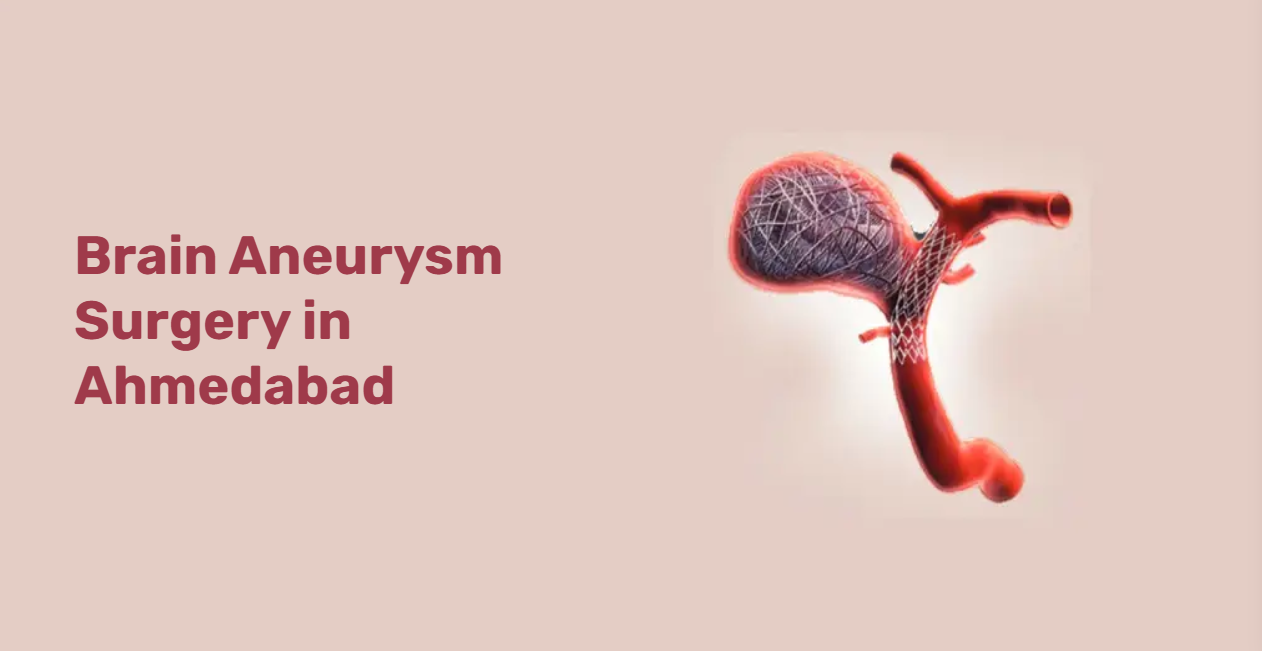
A brain aneurysm develops when a weak area in a blood vessel wall begins to bulge. Some aneurysms remain unnoticed for years, while others may require treatment to reduce the risk of bleeding. Although open surgery has traditionally played an important role in aneurysm management, advances in image-guided procedures have created additional options for suitable patients. Understanding how these treatments work, when they may be recommended and what recovery involves can help patients make informed decisions with their medical team.
Why Do Some Brain Aneurysms Need Treatment?
Not every brain aneurysm requires immediate intervention. The decision depends on several factors, including the aneurysm's size, shape, location and changes over time. Doctors also consider the patient's age, general health, family history and other medical conditions.
Small, stable aneurysms with a relatively low risk of rupture may be monitored through regular imaging appointments. This approach avoids exposing patients to procedural risks when immediate treatment may not offer enough benefit.
However, an aneurysm that is growing, has certain high-risk features or is causing symptoms may require closer assessment and possible treatment. A ruptured aneurysm is a medical emergency because bleeding around the brain can cause serious complications.
A sudden, extremely severe headache, particularly one that reaches maximum intensity within seconds or minutes, should never be dismissed. It may occur alongside vomiting, neck stiffness, confusion or loss of consciousness. Immediate emergency assessment is essential when these symptoms develop.
Endovascular Coiling: An Alternative to Open Surgery
Endovascular coiling is a minimally invasive procedure that treats an aneurysm from inside the blood vessels. Rather than opening the skull to reach the affected area, the specialist guides a thin catheter through an artery, commonly accessed through the wrist or groin.
Using detailed imaging, the catheter is moved towards the aneurysm. Small, flexible metal coils are then released into the bulging area. These coils encourage blood clotting inside the aneurysm, reducing the flow of blood into the weakened section.
The main objective is to prevent an unruptured aneurysm from bleeding or reduce the likelihood of further bleeding after a rupture.
An interventional neuroradiologist uses specialised imaging equipment and catheter-based techniques to carry out this procedure. Because it does not require a surgical opening in the skull, coiling may offer a shorter initial recovery for appropriately selected patients.
However, minimally invasive does not mean risk-free. Potential complications include blood clots, bleeding, injury to a blood vessel and stroke. Some aneurysms may also need additional treatment if they do not close completely or reopen later.
Can Stents and Flow Diversion Treat Complex Aneurysms?
The shape of an aneurysm can make treatment more challenging. For example, an aneurysm with a wide opening may not hold coils securely without additional support. In such situations, specialists may consider other endovascular techniques.
Stent-Assisted Coiling
A small mesh device called a stent can be placed across the opening of an aneurysm to help keep the coils in position. The coils are then packed inside the aneurysm to reduce blood flow into the bulging area.
This technique may be suitable for aneurysms that are difficult to treat with coiling alone. However, patients may need antiplatelet medicines to reduce the risk of blood clots forming on the stent.
Flow Diversion
Flow diversion uses a specialised mesh implant placed inside the affected artery. Instead of filling the aneurysm directly with coils, the device redirects blood along the normal course of the vessel.
Over time, this change in blood flow encourages the aneurysm to seal off, while the vessel lining gradually grows across the treated area.
Flow diversion may be considered for selected wide-necked, large or otherwise complex aneurysms. It does not close every aneurysm immediately, and regular imaging is needed to assess the result. The technique also carries specific risks, so suitability must be assessed carefully.
For a broader understanding of specialist involvement, the article Interventional Neuroradiologist – Risks, Benefits and Outcomes discusses the considerations that can influence procedural decisions, potential complications and recovery.
How to Choose the Right Treatment and Specialist
When considering brain aneurysm surgery in Ahmedabad, patients should understand that the most appropriate treatment depends on their individual diagnosis rather than the availability of a particular procedure.
An interventional neuroradiologist evaluates blood vessel anatomy and uses image-guided techniques to treat selected conditions affecting the brain and spine. A neurosurgeon may also be involved in deciding whether open surgery, an endovascular procedure or continued monitoring offers the most appropriate balance of benefits and risks.
Before agreeing to a treatment plan, patients should discuss the following points with their medical team:
- Nature of the aneurysm: Is it unruptured, symptomatic or already ruptured?
- Treatment suitability: Can it be managed with coiling, a stent, flow diversion or open surgery?
- Possible complications: What are the specific risks associated with the recommended procedure?
- Recovery expectations: How long might hospitalisation take, and when could normal activities resume?
- Long-term monitoring: Will repeat scans, medication or further intervention be necessary?
These questions are particularly useful when comparing treatment recommendations or seeking a second opinion. Patients should also clarify whether the treating centre has the equipment and specialist support needed to manage complications.
What Happens After Brain Aneurysm Treatment?
Recovery differs from one patient to another. The procedure performed, the patient's general health and whether bleeding occurred all influence the recovery period.
Following an endovascular procedure, the medical team monitors neurological function, the catheter entry site and other signs of complications. Patients receive instructions about activity restrictions, medication and follow-up appointments before discharge.
People treated for a ruptured aneurysm may need a longer hospital stay and additional rehabilitation. Bleeding can affect concentration, memory, movement and other neurological functions, even after the aneurysm itself has been secured.
Follow-up scans are important because treatment does not always eliminate the need for future care. Imaging helps doctors assess whether the aneurysm has closed adequately, whether blood flow has changed as expected and whether further intervention is needed.
Patients should attend scheduled appointments and report any new neurological symptoms promptly. They should also follow medical advice on blood pressure management, smoking cessation and prescribed medication.
Conclusion
Treatment beyond open surgery has widened the options for managing brain aneurysms, but no single procedure is suitable for everyone. The decision should reflect the aneurysm's characteristics, the patient's overall health and the experience of the multidisciplinary team. Early assessment and appropriate follow-up remain essential. Patients seeking guidance on image-guided treatment options can contact Dev Hospital in Ahmedabad to discuss the available interventional radiology services.


Comments
Post a Comment