Posts

Showing posts from October, 2026

Breast Lumps: Why Proper Assessment Matters Before Treatment

Image
Finding a lump in the breast can be worrying, but not every lump indicates cancer. Breast lumps may develop due to hormonal changes, fluid-filled cysts, fibroadenomas or other conditions. The important step is to identify the cause before deciding on treatment. A proper medical assessment helps determine whether a lump needs monitoring, further investigation or an intervention. Understanding the diagnostic process and available treatment options can help patients approach their next steps with greater clarity and avoid unnecessary delays in seeking medical advice. What Causes Breast Lumps? Breast tissue changes throughout life, particularly during menstruation, pregnancy and menopause. Hormonal fluctuations can cause tenderness, swelling and changes in breast texture. Sometimes, these changes make a lump more noticeable. Common causes include: Fibroadenomas: These are usually benign, solid lumps that may feel smooth and move slightly beneath the skin. Breast cysts: These are f...
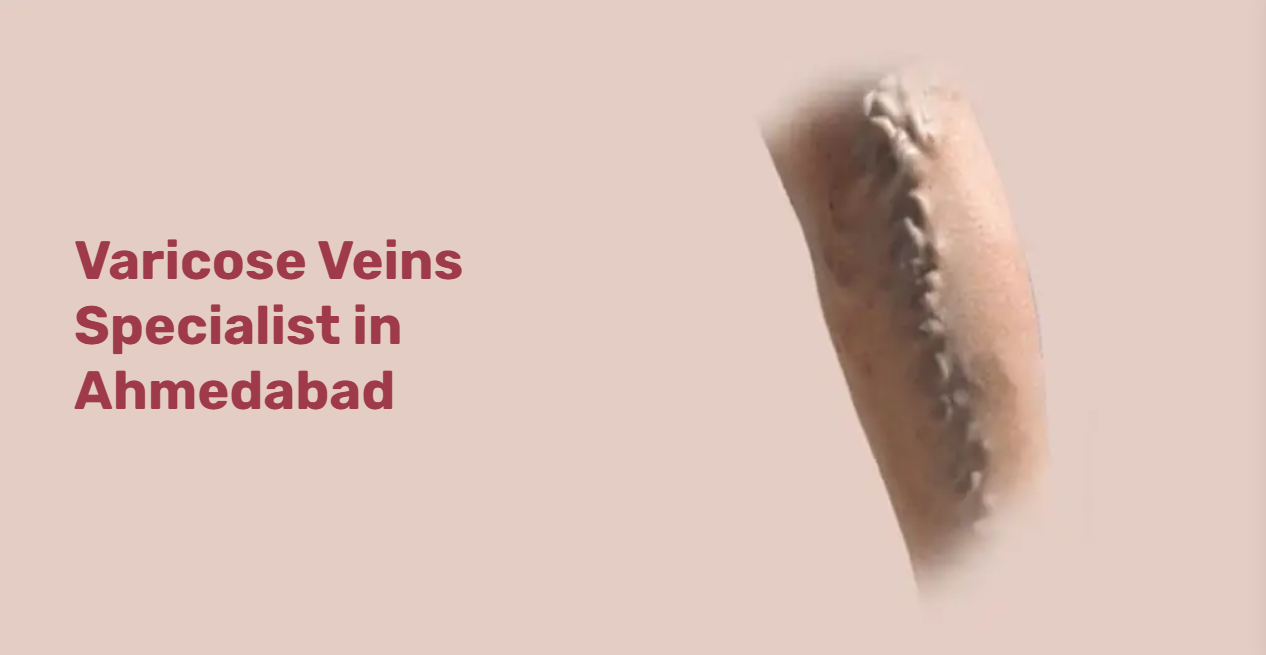
Leg Pain and Visible Veins: When to Seek Specialist Care

Image
Leg pain and visible veins are common concerns, particularly among people who spend long hours standing or sitting. Although some visible veins may be harmless, others can signal an underlying circulatory issue that requires medical evaluation. Persistent heaviness, swelling, aching and changes in the skin can be signs of varicose veins. Identifying these signs early can help individuals determine whether simple home care may be adequate or whether consulting a specialist is necessary. What Causes Visible Veins and Leg Discomfort? Veins are responsible for transporting blood from the legs back to the heart, while tiny valves within them help maintain the correct direction of blood flow. If these valves become weak or malfunction, blood may accumulate in the veins, leading to increased pressure and causing the veins to enlarge, bulge or become twisted. This condition is known as varicose veins. The affected veins often appear blue or purple beneath the skin and may bulge around the calv...

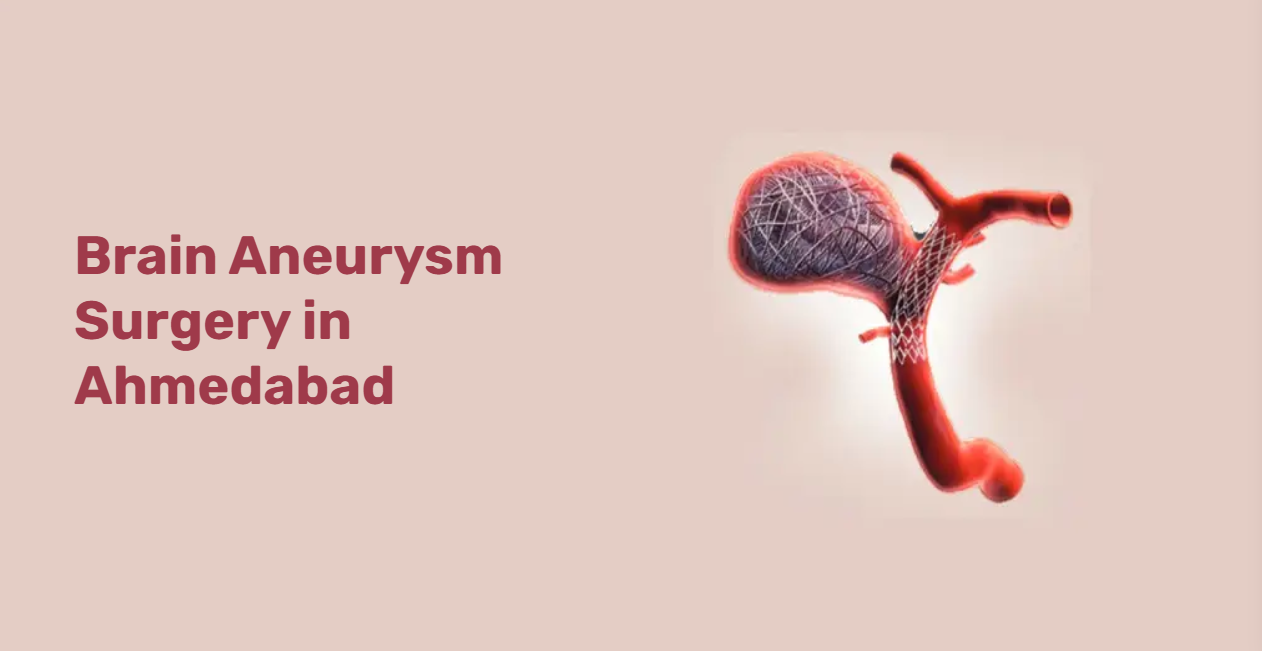
Brain Aneurysms: Treatment Options Beyond Open Surgery

Image
A brain aneurysm develops when a weak area in a blood vessel wall begins to bulge. Some aneurysms remain unnoticed for years, while others may require treatment to reduce the risk of bleeding. Although open surgery has traditionally played an important role in aneurysm management, advances in image-guided procedures have created additional options for suitable patients. Understanding how these treatments work, when they may be recommended and what recovery involves can help patients make informed decisions with their medical team. Why Do Some Brain Aneurysms Need Treatment? Not every brain aneurysm requires immediate intervention. The decision depends on several factors, including the aneurysm's size, shape, location and changes over time. Doctors also consider the patient's age, general health, family history and other medical conditions. Small, stable aneurysms with a relatively low risk of rupture may be monitored through regular imaging appointments. This approach avoids ex...

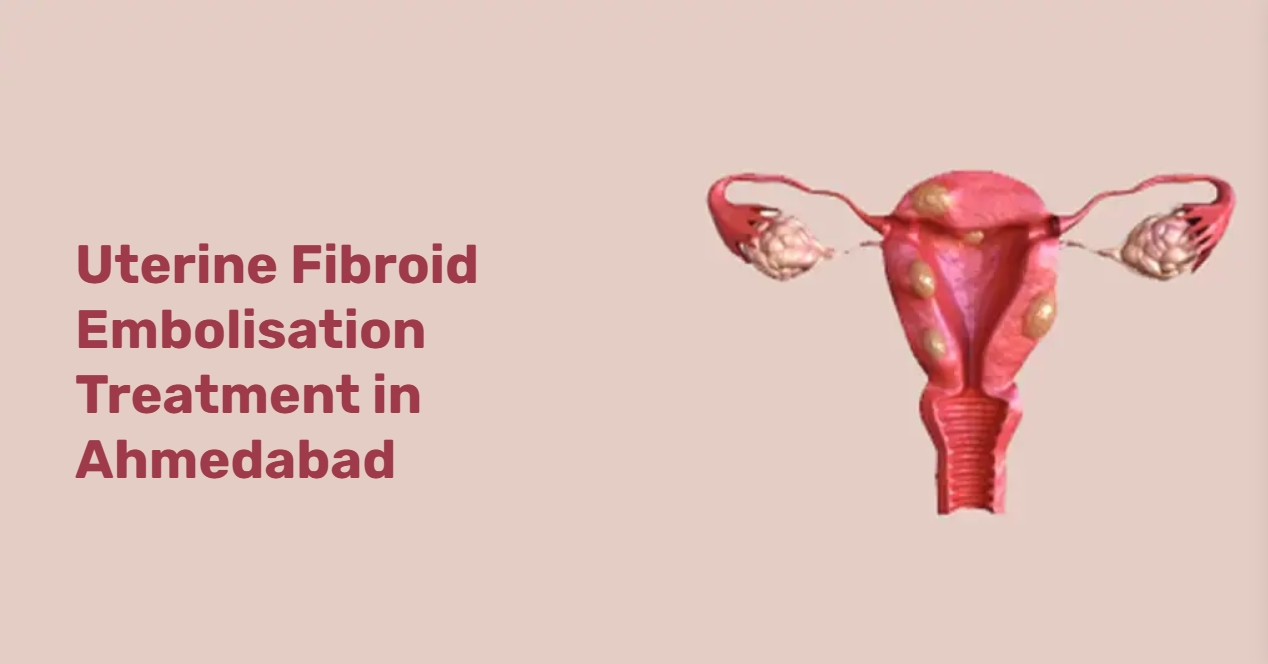
Heavy Periods? Understanding Minimally Invasive Fibroid Treatment

Image
Heavy menstrual bleeding, a feeling of pelvic heaviness and ongoing discomfort can significantly impact daily life and overall well-being. Uterine fibroids are one potential cause of these symptoms. These are non-cancerous growths that develop within or around the uterus. Although some fibroids do not produce any symptoms, others can cause heavy menstrual periods, pelvic pain or pressure on surrounding organs. The choice of treatment depends on factors such as the size, number and location of the fibroids, the severity of symptoms and the patient’s individual preferences. For eligible patients, minimally invasive procedures may provide an effective alternative to traditional open surgery. What Are Uterine Fibroids? Uterine fibroids are growths made up of muscle and fibrous tissue. They can develop within the muscular wall of the uterus, beneath its inner lining or on its outer surface. Their effects vary from person to person, and having fibroids does not always mean treatment is ...