Heavy Periods? Understanding Minimally Invasive Fibroid Treatment
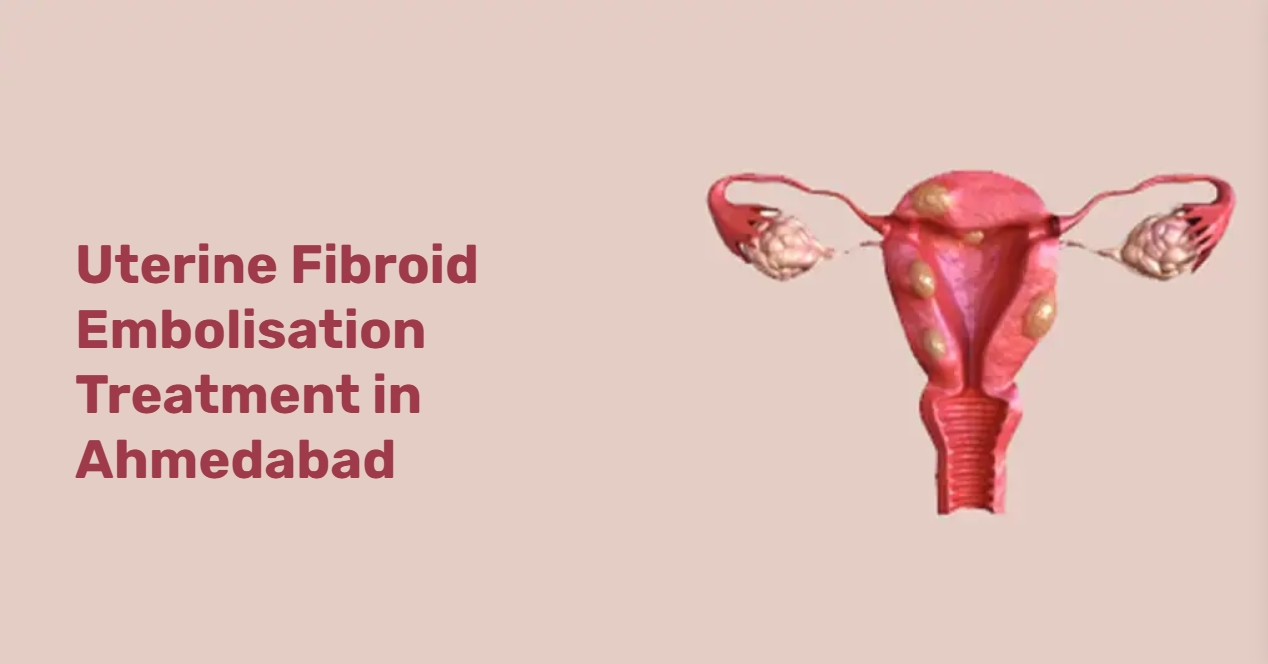
Heavy menstrual bleeding, a feeling of pelvic heaviness and ongoing discomfort can significantly impact daily life and overall well-being. Uterine fibroids are one potential cause of these symptoms. These are non-cancerous growths that develop within or around the uterus. Although some fibroids do not produce any symptoms, others can cause heavy menstrual periods, pelvic pain or pressure on surrounding organs. The choice of treatment depends on factors such as the size, number and location of the fibroids, the severity of symptoms and the patient’s individual preferences. For eligible patients, minimally invasive procedures may provide an effective alternative to traditional open surgery.
What Are Uterine Fibroids?
Uterine fibroids are growths made up of muscle and fibrous tissue. They can develop within the muscular wall of the uterus, beneath its inner lining or on its outer surface. Their effects vary from person to person, and having fibroids does not always mean treatment is necessary.
When symptoms occur, they may include:
- Heavy or prolonged menstrual bleeding.
- Pelvic pain, pressure or a feeling of fullness.
- Frequent urination due to pressure on the bladder.
- Lower back discomfort.
- Pain or discomfort during sexual activity.
Depending on their location and other contributing factors, uterine fibroids may sometimes affect a woman’s ability to conceive. Excessive menstrual bleeding can also result in iron-deficiency anaemia, leading to symptoms such as tiredness, weakness and shortness of breath. However, these symptoms are not necessarily caused by fibroids, as other gynaecological conditions may present in a similar way. A thorough medical evaluation is important to determine the underlying cause and guide the selection of suitable treatment options.
How Are Fibroids Diagnosed?
The diagnostic process typically starts with an assessment of the patient’s symptoms, menstrual history and overall medical background. A clinician may recommend a pelvic examination and imaging tests to assess the uterus and determine whether fibroids are present.
Ultrasound is commonly used to identify fibroids and evaluate their size and location. Further imaging, such as magnetic resonance imaging (MRI), may be recommended when more detailed information is needed for treatment planning.
Blood tests may also be appropriate for people experiencing heavy menstrual bleeding, particularly when anaemia is suspected. The results help clinicians understand the extent of the problem and determine whether additional assessment is necessary.
Treatment decisions should be based on the complete clinical picture rather than fibroid size alone. Symptom severity, age, general health and future pregnancy plans can all influence the recommended approach. For eligible patients, uterine fibroid embolisation in Ahmedabad may be an effective minimally invasive treatment option. The procedure works by restricting the blood supply to the fibroids, causing them to gradually shrink over time. A specialist can determine whether this treatment is suitable based on the diagnosis, severity of symptoms and the patient’s individual treatment preferences and goals.
When Should You Consider Minimally Invasive Treatment?
Treatment is usually considered when fibroids cause significant symptoms, affect daily life or contribute to complications such as anaemia. Treatment choices vary depending on each patient’s condition, and a procedure may not be necessary in every case. A healthcare professional may recommend medications to control heavy bleeding or pain, regular monitoring for fibroids that cause minimal or no symptoms, or a suitable procedure to shrink or remove the fibroids. For some patients, minimally invasive treatment may be appropriate when symptoms persist or medication does not provide sufficient relief.
If you are consulting a vascular surgeon in Ahmedabad, ask about their role in assessing fibroid-related symptoms and whether an interventional radiologist is involved in treatment planning. Uterine fibroid embolisation is generally performed by an interventional radiologist, who uses image guidance to treat the blood supply to the fibroids. The best approach depends on the diagnosis, available expertise and the patient's treatment goals.
How Uterine Fibroid Embolisation Works
Uterine fibroid embolisation (UFE), also known as uterine artery embolisation, is a minimally invasive treatment that works by restricting the blood flow to uterine fibroids. As their blood supply decreases, the fibroids gradually shrink, which may help reduce symptoms and improve the patient’s quality of life.
The procedure is carried out by an interventional radiologist under image guidance. A thin catheter is inserted through a small incision, typically in the wrist or groin, and carefully guided into the arteries that supply blood to the uterus. Tiny particles are then delivered to reduce blood flow to the fibroids while aiming to preserve the surrounding uterine tissue.
Unlike traditional open surgery, uterine fibroid embolisation does not involve a large incision in the abdomen. However, it is still an invasive medical procedure that carries potential risks, and a specialist must evaluate each patient’s condition to determine whether it is an appropriate treatment option.
Possible benefits for appropriate patients include:
- Reduced heavy menstrual bleeding.
- Relief from pelvic pressure and discomfort.
- No need for a large surgical incision.
- A shorter hospital stay and recovery period compared with some open surgical procedures.
Results vary, and symptoms may take time to improve as the fibroids shrink. Temporary pain, cramping, nausea or a mild fever can occur after the procedure. Before proceeding with treatment, the medical team should discuss the anticipated recovery process, potential complications and recommended follow-up care to ensure the patient is well informed about every stage of the procedure.
For patients considering uterine fibroid embolisation in Ahmedabad, consultation should include a review of imaging, symptom severity, medical history and future pregnancy plans. UFE may not be the preferred option for everyone, particularly where pregnancy is a priority, so alternatives should be discussed with the relevant specialists.
How a Vascular Specialist Can Help Avoid Open Surgery
Understanding the available treatment options is important before deciding whether surgery is necessary. The article How a Vascular Surgeon in Ahmedabad Can Help Avoid Open Surgery offers further context on the role of minimally invasive vascular procedures and how image-guided treatments may provide alternatives to selected open operations.
For fibroids, the decision should involve the appropriate gynaecology and interventional radiology specialists. Depending on the diagnosis and individual needs, alternative treatment options may include medication, myomectomy to remove fibroids while preserving the uterus, or hysterectomy, which involves removing the uterus. Each approach has its own advantages and limitations, and the potential impact on future fertility and pregnancy should be carefully considered when choosing the most suitable treatment.
What to Discuss Before Treatment
Before proceeding with any fibroid treatment, ask your care team about the expected benefits, recovery time, possible complications and likelihood of needing further treatment. Patients should discuss their future fertility plans with their doctor, as certain treatment procedures may influence their ability to conceive and the outcomes of future pregnancies.
If you are considering uterine fibroid embolisation in Ahmedabad, make sure you understand the procedure, the follow-up plan and whether it suits your individual medical needs. At Dev Hospital, patients can discuss appropriate image-guided treatment options with the relevant specialists.
Conclusion
Heavy periods and pelvic discomfort deserve proper assessment, particularly when symptoms interfere with daily life or lead to anaemia. Minimally invasive treatments can be suitable for some patients, but the right choice depends on the fibroids, overall health and future pregnancy plans. A discussion with the appropriate specialists can help clarify the options and support an informed decision. Dev Hospital provides interventional radiology services for patients requiring assessment for suitable minimally invasive procedures.


Comments
Post a Comment